
Cashflow forecasting is one of the most useful finance tools an ecommerce founder can have. But many growing brands either do not have a cashflow forecast at all, or they have one that is too basic, too out of date, or too disconnected from how the business actually works.
For an ecommerce or retail brand, that can create real problems.
You may know last month’s sales and the current bank balance. You may even have a profit and loss report from your accountant. But without a forward-looking cashflow forecast, you probably don’t have a clear picture of whether the business can afford the decisions coming up.
Can you place the next stock order?
Can you increase marketing spend?
Can you afford to hire?
Will you need funding?
Will VAT, payroll or supplier payments create pressure?
A cashflow forecast helps answer those questions before they become urgent.
What is a cashflow forecast?
A cashflow forecast is a forward-looking view of money coming into and going out of the business.
It shows what cash the business expects to have over a future period, based on expected sales, receipts, supplier payments, stock purchases, VAT, payroll, overheads, loan repayments and other cash movements.
For ecommerce brands, a useful cashflow forecast should not just be a generic spreadsheet. It should reflect the real drivers of the business: sales channels, stock cycles, supplier terms, fulfilment costs, marketing spend, VAT timing and growth plans.
The purpose is not to predict the future perfectly. The purpose is to make better decisions with a clearer view of what could happen.
Why ecommerce cashflow is different
Cashflow forecasting matters for almost every business, but it is especially important for ecommerce and retail brands.
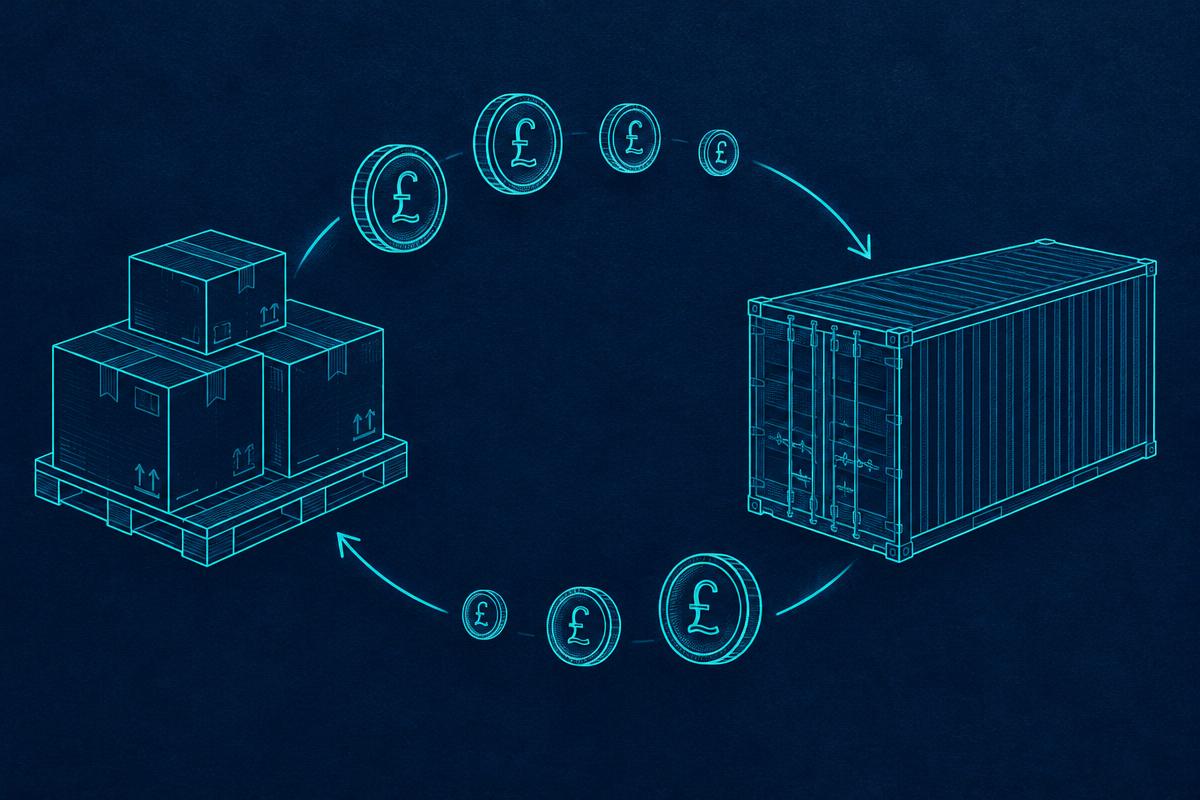
That is because ecommerce businesses often need to spend cash before they receive the benefit.
You may need to pay for stock weeks or months before selling it; you may need to invest in marketing before sales convert; you may need to fund fulfilment, shipping, VAT, duty, warehousing, returns and payroll before the profit becomes available cash.
This creates timing gaps. A brand can be growing, profitable and still under cash pressure if those timing gaps are not managed properly.
What should an ecommerce cashflow forecast include?
The exact structure depends on the business, but a good ecommerce cashflow forecast will usually include:
- Opening cash balance
- Expected customer receipts
- Sales assumptions by channel
- Stock purchases and supplier payments
- Shipping, freight, duty and import costs
- Fulfilment and warehousing costs
- Marketing spend
- Payroll and contractor costs
- VAT and tax payments
- Software, rent and operating costs
- Loan repayments or funding inflows
- Closing cash balance
For a stock-holding business, the stock and supplier payment assumptions are especially important.
If the forecast does not properly reflect when stock needs to be ordered and when suppliers need to be paid, it may give a false sense of security.
Many of the above are uknowns. The key is to have accurate, up to date best estimates in order to have a realistic picture of future cash availability or needs.
Short-term vs long-term cashflow forecasting
Most ecommerce brands need two types of forecast.
The first is a short-term cashflow forecast, often covering the next 8 to 13 weeks. This helps manage immediate pressure. It answers questions like:
- What payments are due soon?
- Will we have enough cash for the next stock order?
- Are any VAT, payroll or supplier payments coming up?
- Do we need to delay, accelerate or renegotiate anything?
The second is a longer-term forecast, often covering 12 months or more. This helps with planning. It answers questions like:
- How much cash does growth require?
- When might we need funding?
- Can we afford to hire?
- What happens if we increase marketing spend?
- What does the next stage of the business look like?
Both are useful. The short-term forecast helps avoid surprises, while the longer-term forecast helps the founder make better strategic decisions.
Why a static annual budget is not enough
Many businesses create a budget once a year and then quickly stop using it. That is understandable, as for a growing ecom business the landscape can change quickly.
Sales for one product may spike so you decide to pivot; an inventory supplier may be delayed; paid ads may become more expensive; a wholesale opportunity may appear.
If the plan does not update as the business changes, it stops being useful.
That is why ecommerce brands often need a dynamic forecast.
A dynamic forecast changes when the assumptions change. If sales increase, the forecast should show the impact on stock, marketing, fulfilment and cash. If stock is delayed, the forecast should show the effect on sales and cash timing. If a new hire is added, the forecast should show the effect on payroll and future cash.
The more connected the forecast is to the real business drivers, the more useful it becomes.
Common cashflow forecasting mistakes
There are a few mistakes we often see in growing ecommerce businesses.
The first is only looking at the current bank balance. The bank balance matters, but it only tells you where you are today. It does not show what is coming.
The second is forecasting sales but not cash. Sales growth is important, but the business still needs to understand when cash actually arrives and when payments need to be made.
The third is underestimating stock requirements. If sales grow, stock needs may grow too. That can create pressure before the growth creates cash.
The fourth is ignoring VAT, tax or payroll timing. These payments are predictable, but they can still create problems if they are not included in the forecast.
The fifth is not updating the forecast. A forecast that is not reviewed regularly quickly becomes irrelevant.
What questions should your forecast answer?
A useful ecommerce cashflow forecast should help the founder answer practical questions.
For example:
- Can we afford this stock order?
- What happens if sales are 20% lower than planned?
- What happens if we grow faster than expected?
- When will cash be tight?
- Do we need funding?
- Can we afford to hire?
- Can we increase marketing spend?
- What supplier payments are creating pressure?
- How much cash do we need to support the next stage of growth?
If your forecast does not help answer questions like these, it may be too disconnected from the decisions you actually need to make.
How often should you update a cashflow forecast?
For a growing ecommerce business, the cashflow forecast should be updated regularly.
A short-term forecast may need to be reviewed weekly. A longer-term forecast may be reviewed monthly, especially once actual results are available.
The point is not to create extra admin. The point is to keep the forecast close enough to reality that it remains useful.
A forecast should be a live decision-making tool, not a spreadsheet that is built once and forgotten.
The benefit of better cashflow visibility
Good cashflow forecasting gives founders more control. It helps reduce surprises, makes stock decisions clearer, and shows when funding might be needed. It helps founders decide whether to hire, invest, slow down, renegotiate or change direction.
It does not remove uncertainty completely, but it makes uncertainty easier to manage.
For ecommerce brands, that clarity can be the difference between reactive decision-making and confident growth planning.
Cashflow forecasting support for ecommerce brands
RT Finance helps UK ecommerce, e-commerce and retail brands build practical cashflow forecasts that connect sales, stock, supplier payments, VAT, marketing, working capital and growth decisions.
If you want a clearer view of what cash will look like over the coming weeks and months, book a free 30-minute Finance Clarity Call. We will talk through your current cashflow challenges, what decisions are coming up, and what financial visibility would help.