
For many ecommerce founders, growing sales should feel like progress, but often cash continues to be a big stress factor.
More orders are coming in, revenue is moving in the right direction. The brand is gaining traction, marketing is working, and customers are buying.
So why does cash still feel tight?
This is one of the most common issues I see in ecommerce and retail businesses. The business may be growing, but for founders, cash continues to be a big headache. Stock orders feel unaffordable, VAT bills come at the wrong time, hiring decisions get delayed. And despite strong sales, the business still feels like it is operating too close to the edge.
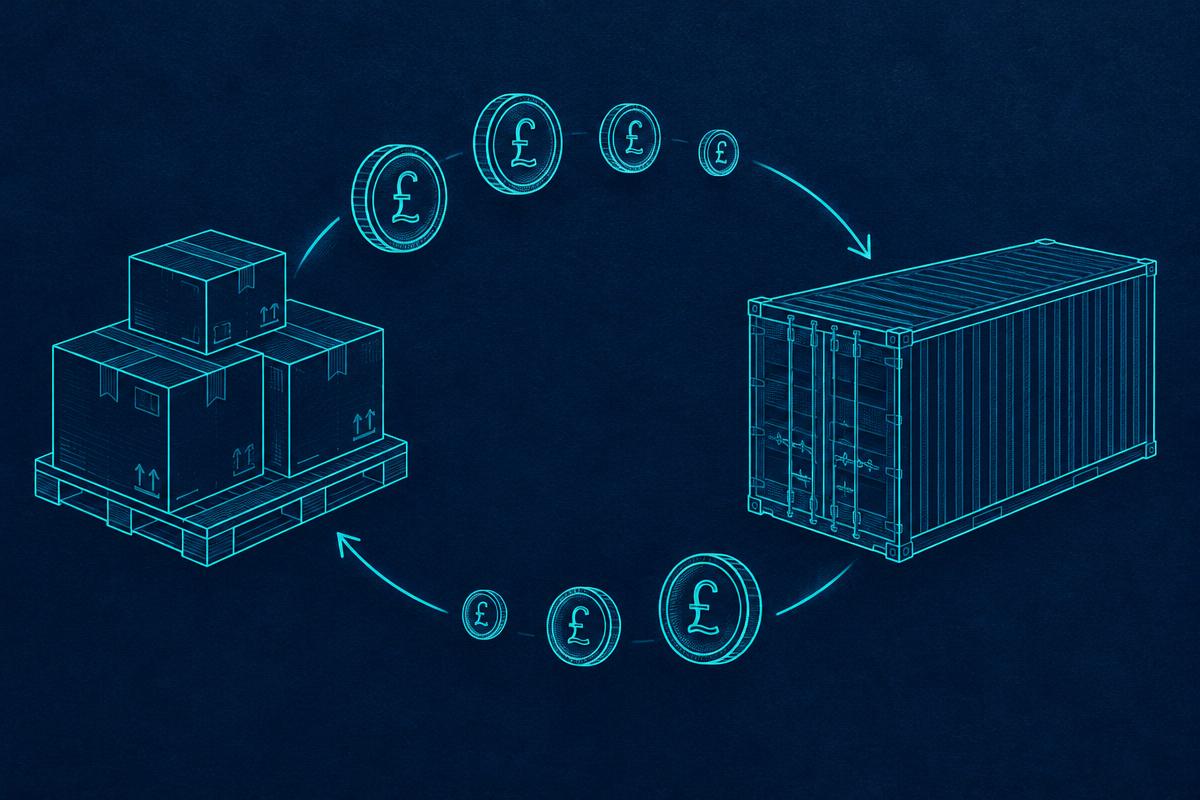
The reason is simple: in an ecommerce brand, growth often uses up cash before it creates cash.
Profit and cash are not the same thing
A key finance lesson for ecommerce founders is that profit and cash are not the same thing.
Your accounts might show that the business is profitable. But that does not necessarily mean the cash is sitting in the bank.
For a business that sells products rather than services, money can be tied up in several places before it becomes available cash. You will have paid suppliers before products arrive, you are holding stock in a warehouse, and you may have paid for shipping, fulfilment, VAT, payroll, software, marketing and overheads before the profit from those sales has fully turned into cash.
That is why an ecommerce business can be profitable on paper but still feel cash-poor in reality.
Stock is often the biggest cash drain
For ecommerce/e-commerce brands, stock is usually one of the biggest reasons cash feels tight.
To sell more, you need enough product available. But ordering more stock often means committing cash weeks or months before the product is sold. If you import from overseas, the gap can be even longer because you may need to pay deposits, production balances, shipping, duty and VAT before the stock is ready to generate revenue.
That creates a timing problem.
You may know the stock will sell eventually, but the cash has already left the bank. If sales are growing quickly, the next order may need to be placed before the previous order has fully converted back into cash. This can get you stuck in a loop of ever larger stock orders while struggling to ever get a cash cushion.
This is where growth becomes dangerous if it is not planned properly. More sales can mean more stock, and more stock can mean more pressure on cash.
Marketing spend can move faster than cashflow
Ecommerce brands often invest heavily in marketing to drive growth. Paid social, Google Ads, influencer campaigns, email marketing, content, agencies and creative testing can all be part of the growth engine.
The challenge is that marketing spend usually happens before the full cash benefit is clear.
You may spend today to acquire customers this week. But after product costs, fulfilment, returns, transaction fees, VAT and overheads, the cash impact may not be as strong as the headline sales suggest. This can be compounded by marketing agency fees which do not translate immediately into more sales in the way that direct paid social/paid ads campaigns should.
This is why founders need to look beyond revenue.
A campaign can increase sales and still create pressure if margins are too low, return rates are high, stock needs replacing quickly, or the payback period is too long.
VAT, tax and payroll can create surprise pressure
Another common issue is timing.
VAT bills, tax payments and payroll do not always line up neatly with the sales cycle. A strong trading period can create future VAT obligations. Hiring ahead of growth increases the fixed cost base. Seasonal businesses can have periods where cash inflows and cash outflows are badly matched.
If these payments are not built into a cashflow forecast, they can feel like surprises even when they should have been predictable.
The problem is not always that the business lacks sales. The problem is often that the founder does not have a clear enough forward view of what cash will be needed, when it will be needed, and what decisions need to be made in advance.
Growth creates working capital pressure
Working capital is the money tied up in the day-to-day running of the business.
For ecommerce and retail brands, working capital often includes stock, supplier payments, customer payment timing, VAT, shipping, fulfilment and operating costs.
As the business grows, the amount of working capital required often grows too.
This means a brand can be heading in the right direction commercially while still needing more cash to support that growth. A bigger business usually needs bigger stock orders, more marketing spend, more people, more systems and more operational capacity.
Without a working capital plan, growth can become stressful very quickly.
The warning signs to look out for
Cashflow problems usually appear gradually before they become urgent.
Some common warning signs include:
- You are making stock decisions based on the current bank balance
- You are unsure whether you can afford the next inventory order
- You do not know what cash will look like in 8, 12 or 26 weeks
- You are profitable but still regularly short of cash
- You are delaying hires or growth decisions because the numbers are unclear
- VAT or supplier payments regularly create stress
- You are relying on gut feel rather than a forecast
- You only understand cash pressure once it has already arrived
These are not signs that the business is failing. They are signs that the finance function needs to become more forward-looking.
What ecommerce founders should do instead
The solution is not just to look at more reports. It is to build a clearer view of the future.
At a minimum, an ecommerce brand should have a cashflow forecast that shows expected cash coming in and going out over the next few weeks and months. For a growing ecom business, that forecast should connect to stock purchases, supplier payments, VAT, payroll, marketing spend and growth plans.
The key questions are:
- What cash do we expect to have?
- When do we want to place stock orders over the next 12 months?
- What supplier payments are due?
- What VAT or tax payments need planning for?
- What happens if sales are lower than expected?
- What happens if sales grow faster than expected?
- When might we need funding?
- What decisions do we need to make now?
The aim is not to predict the future perfectly. The aim is to avoid flying blind.
Why this matters
Running an ecommerce brand without proper cash visibility is stressful.
Every stock order feels like a risk, and growth opportunities can be passed over due to fear of the cash implications. In the meantime, every new hire feels like a leap of faith that may or not pay off, and quiet sales periods create intense stress and pressure for the founder.
With a clear cashflow forecast and working capital plan, those decisions become easier to understand.
It can allow founders to see where pressure might appear several weeks before it becomes urgent. This opens up options: you can decide whether to slow down, raise funding, negotiate payment terms, change stock ordering, adjust marketing spend or delay a cost, before it’s a high-pressured, last-minute decision.
That is what good finance support should do: enable the founder to make better decisions earlier.
Finance clarity for ecommerce brands
Growing sales are a good thing. But for ecommerce and retail brands, growth needs to be supported by clear financial planning.
If your brand is growing but cash still feels unclear, the issue may not be sales. It may be visibility.
RT Finance helps founders of UK ecommerce brands gain clarity over cashflow, stock, working capital and growth decisions.
If you want a clearer view of what is coming next, book a free 30-minute Finance Clarity Call. We will talk through where finance feels unclear, what decisions are coming up, and what the next financial priority should be for your business.